★★★★★
“They explained the issue clearly, showed up ready to work, and got our water system back online without making it complicated.”
Treasure Valley homeowner
Nampa, ID

No water, low pressure? We will fix you up in no time.
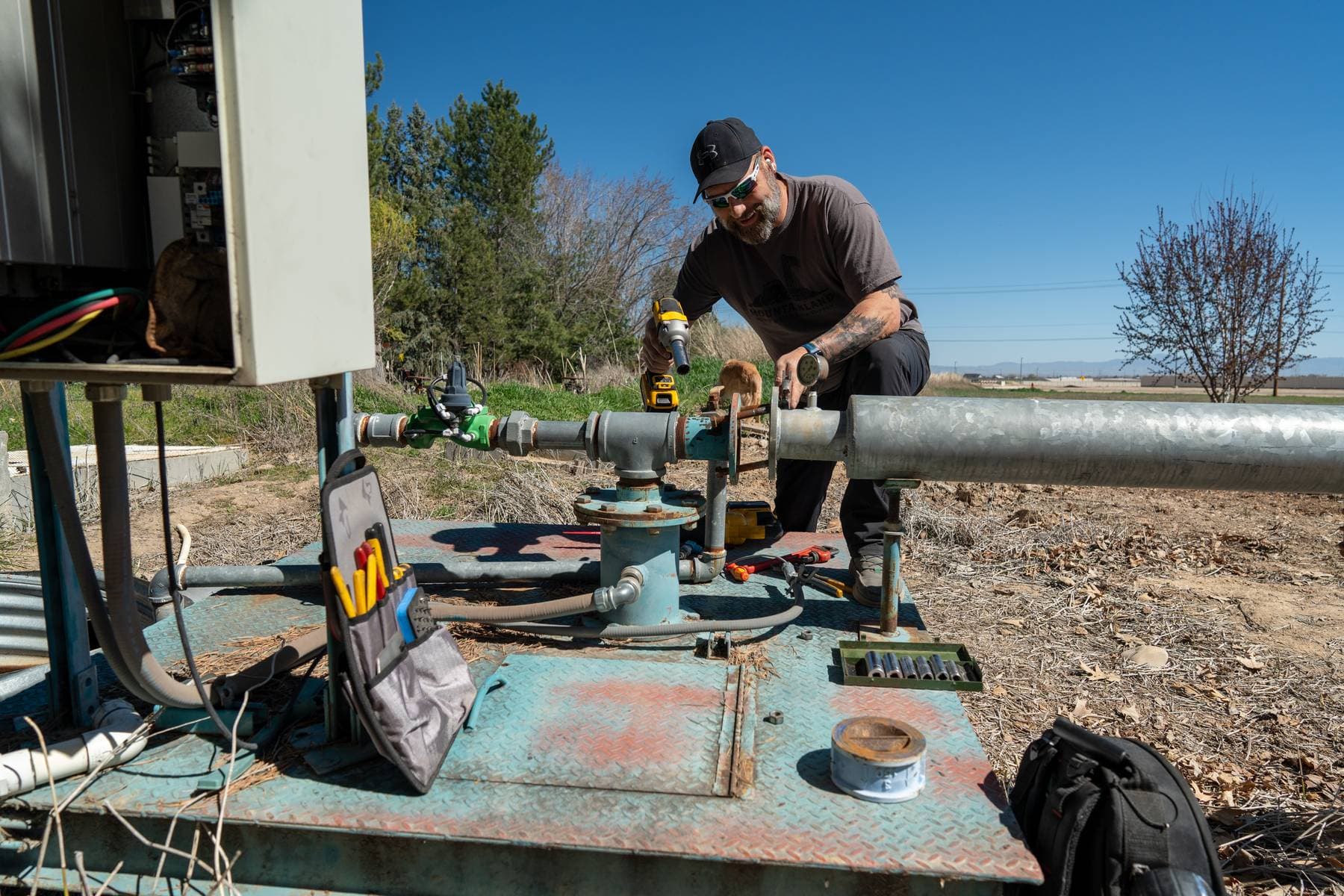
Serving the Treasure Valley with 20 years of experience in well pump service, irrigation, and new installations.
Fast troubleshooting for no water, low pressure, short cycling, and pump systems that stop working when you need them most.
Service and installation support for residential irrigation, agriculture, and hardworking pump systems across the Treasure Valley.
Built for long-term reliability
20+
Years of field experience
Fast diagnosis, honest recommendations, and dependable pump work for rural water systems.
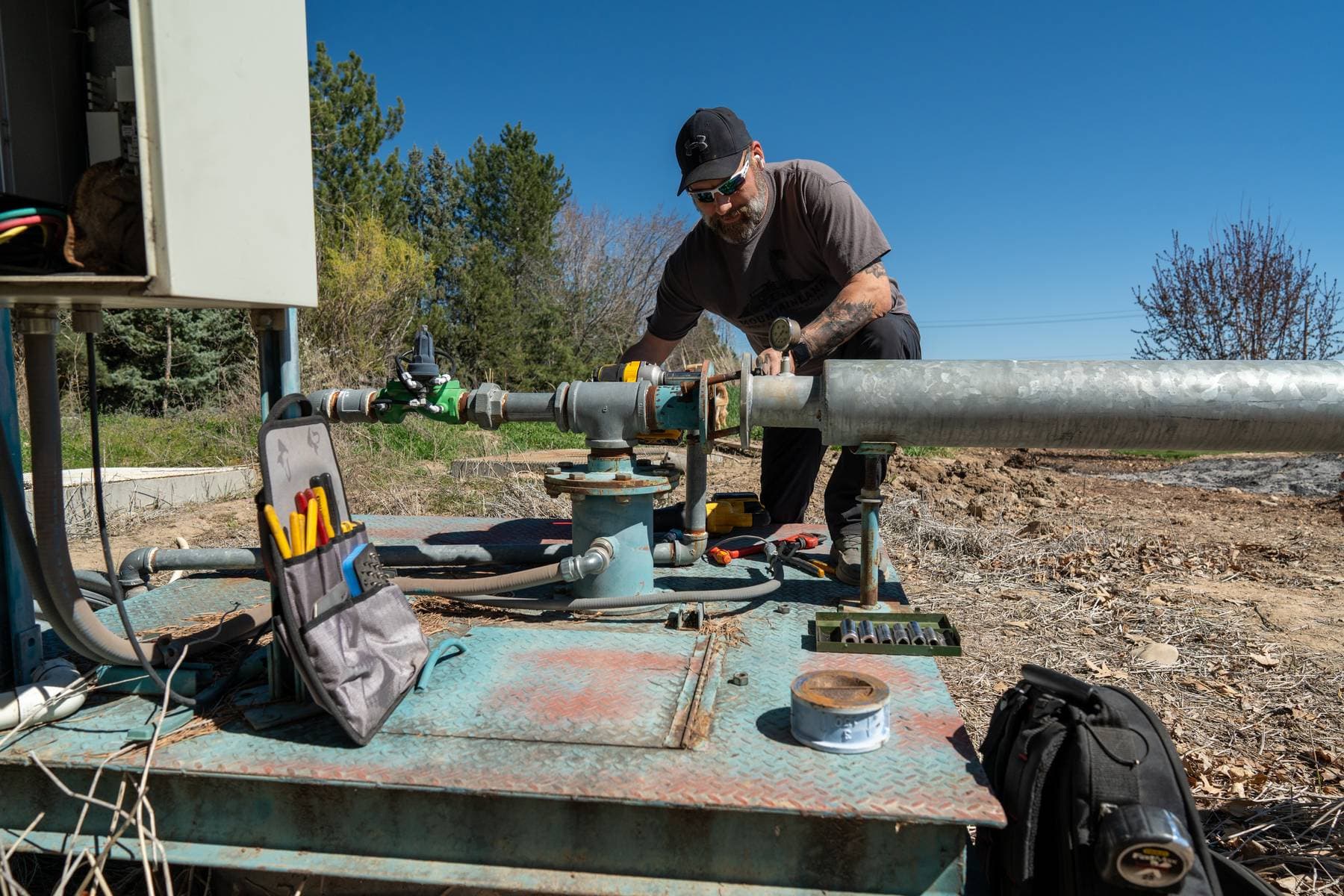
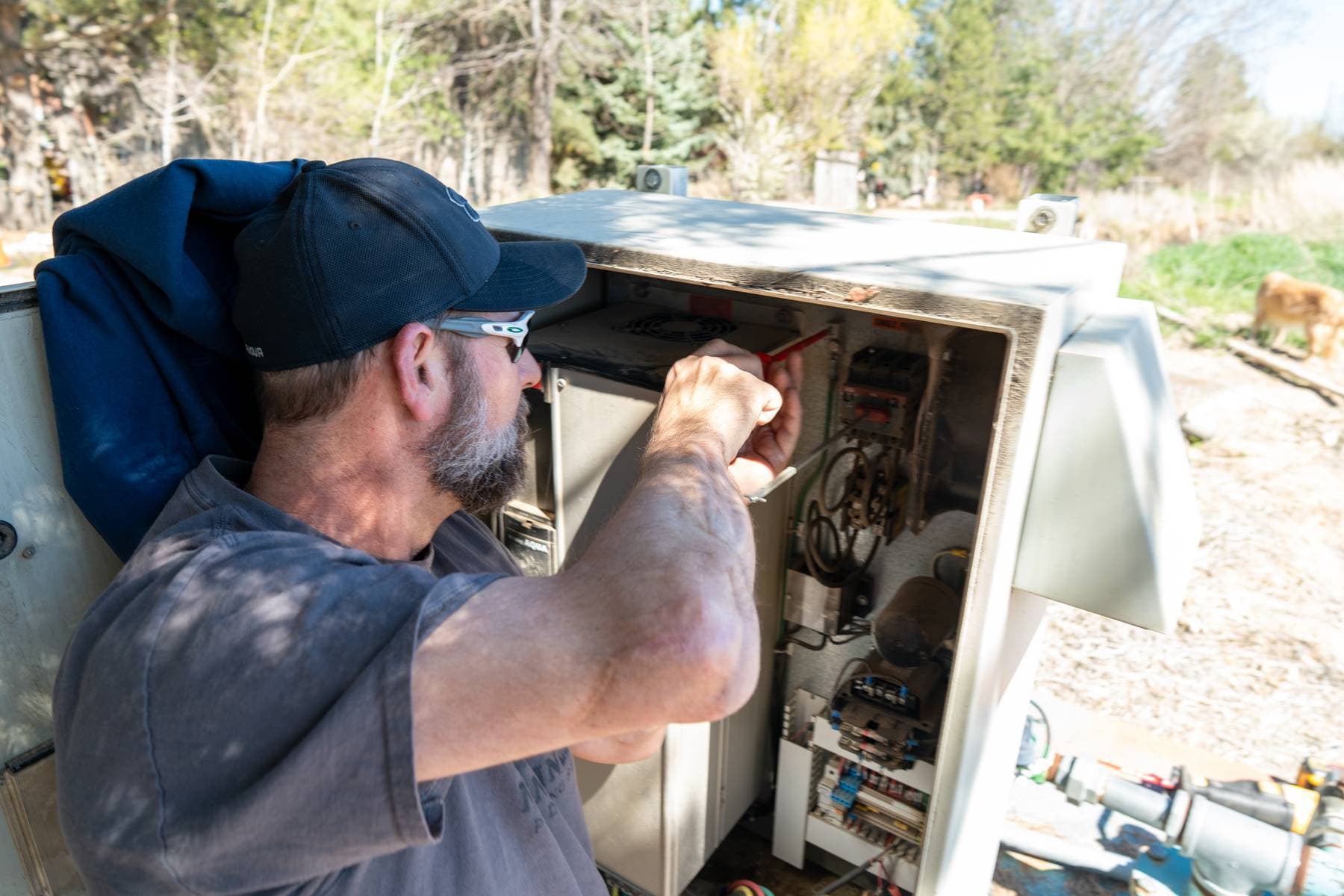
Who we are
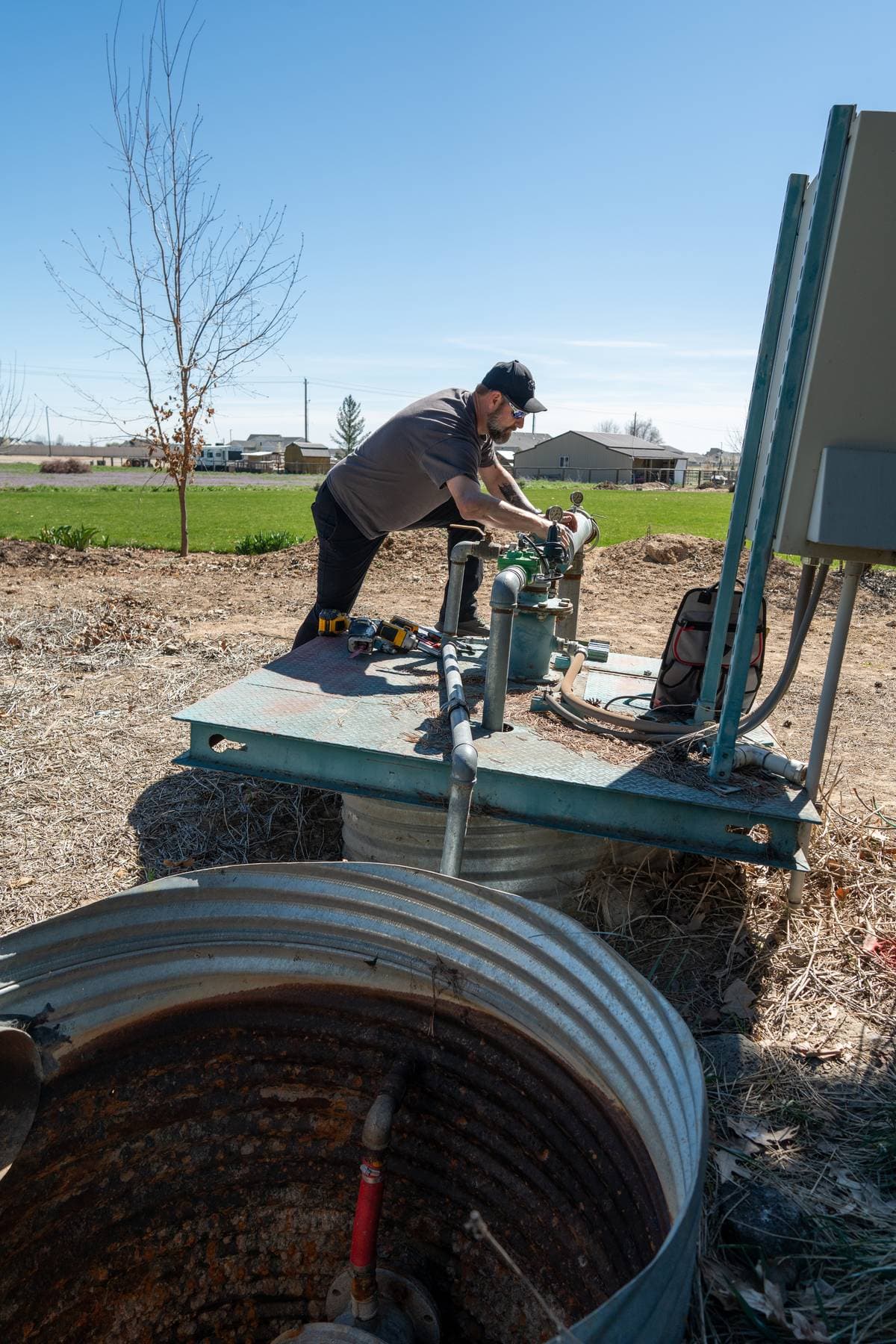
Founded by Derek Giles after two decades in the field, Allegiant helps customers diagnose problems, understand their options, and get dependable pump work done right.
When water systems fail, Allegiant focuses on practical diagnosis, straightforward recommendations, and repairs that hold up.
Honest recommendations and useful system insight without jargon, pressure, or vague answers.
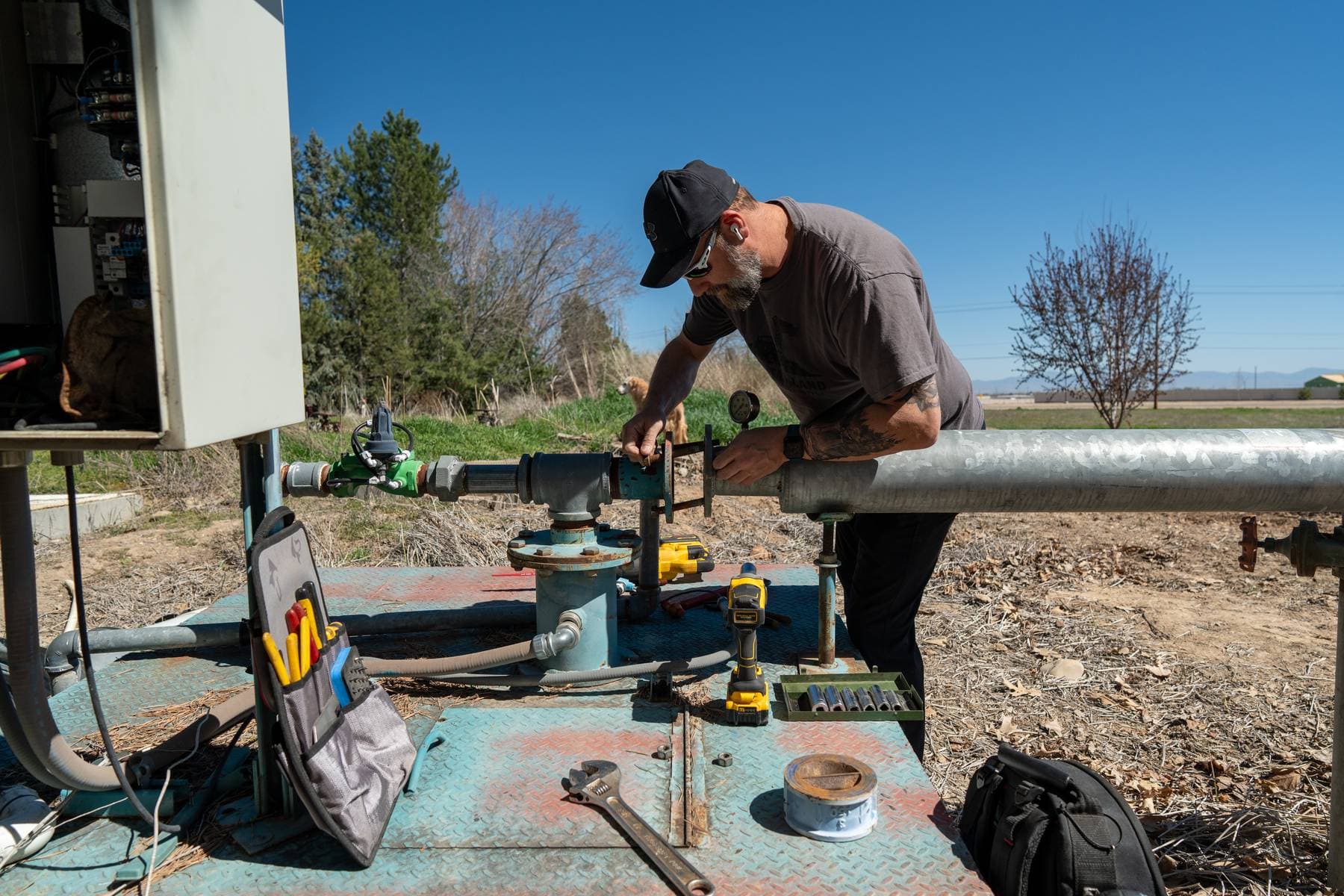
Services
Practical service for the systems that keep water moving. Hover each card to reveal the work behind it.
How it works
The process stays simple: understand the issue, inspect the system, explain the right options, and complete work built to last.
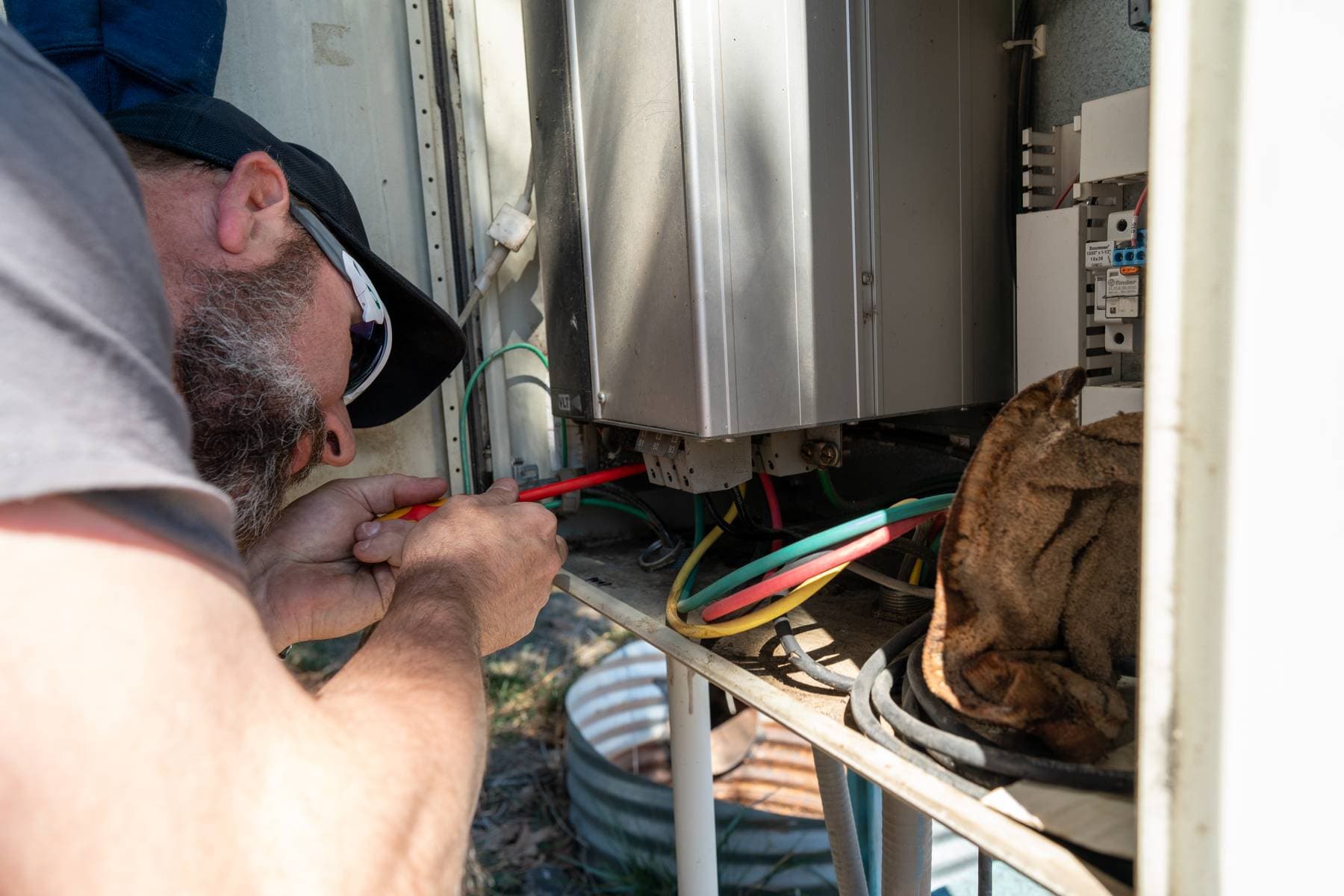
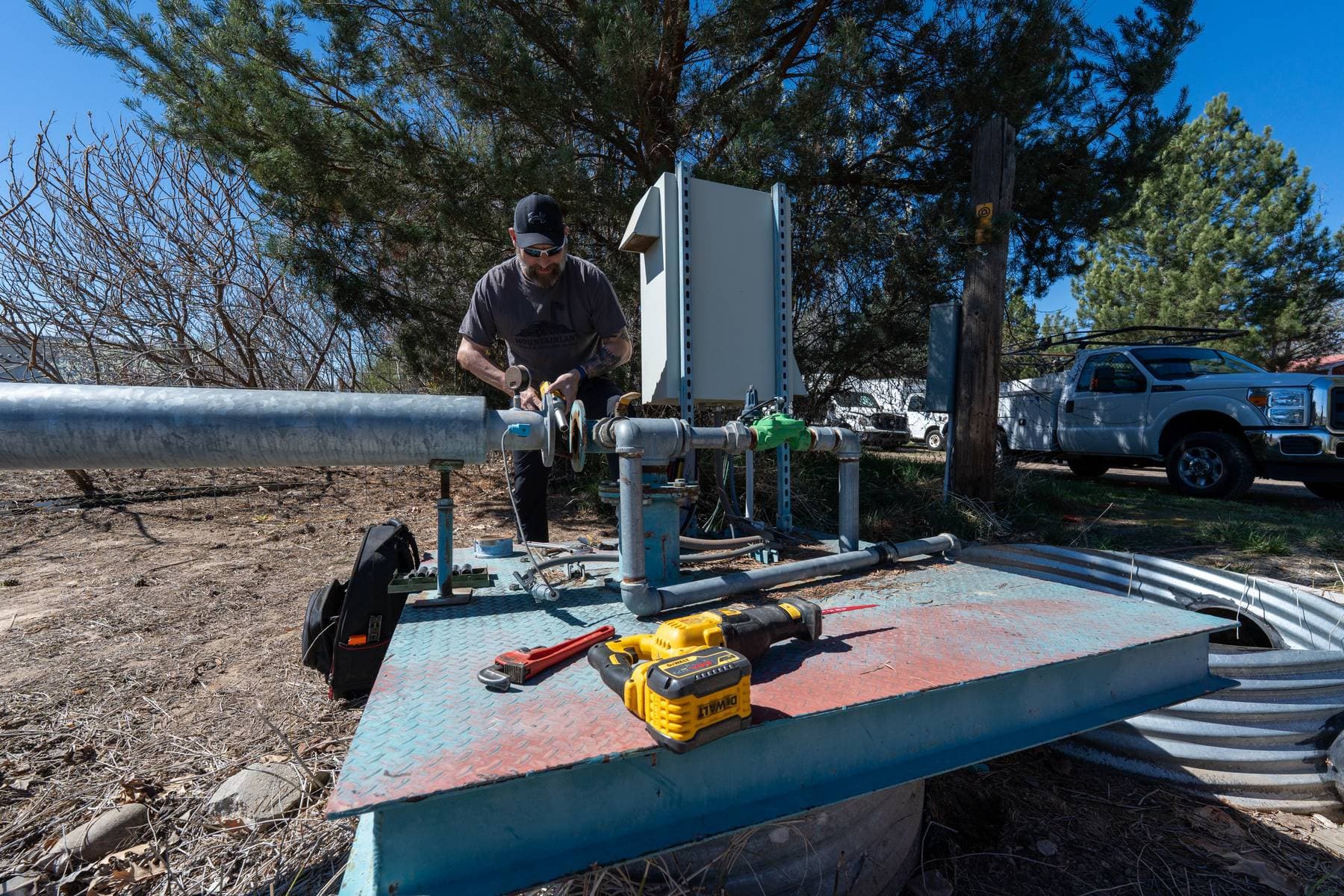
The system is checked carefully, and the customer gets a plain-language explanation of what is happening.
Client reviews
“They explained the issue clearly, showed up ready to work, and got our water system back online without making it complicated.”
Treasure Valley homeowner
Nampa, ID
“Professional, honest, and direct. The kind of service you feel good recommending to family and neighbors.”
Irrigation customer
Caldwell, ID
“Derek knew exactly what the problem was before he even pulled the pump. Fast diagnosis, fair price, and water back on the same day.”
Farm property owner
Middleton, ID
FAQ
No water at all usually points to one of a few culprits: a failed well pump motor, a tripped breaker on the pump circuit, a blown pressure switch, or a dry well (rare but possible during droughts). Check your breaker panel first — if the breaker hasn't tripped and resetting it doesn't restore water, call us. Don't run your pressure tank dry or repeatedly cycle the switch, as this can cause additional damage.
Low pressure with some flow typically means your pump is weakening, your pressure tank bladder has failed, your pressure switch is set too low, or there's partial blockage or scale buildup in the drop pipe. It can also mean your well water level has dropped. A service call will pinpoint the cause — low pressure gets worse over time and can damage appliances, so it's worth diagnosing promptly.
No — a pump that short-cycles (turns on and off rapidly) almost always means the pressure tank bladder or air charge has failed. The tank can no longer store water under pressure, so the pump kicks on for every tiny draw. This burns out pump motors prematurely. A constantly running pump can also mean a leak somewhere in the system or a well that isn't keeping up with demand. Either situation warrants a service call.
Cloudy water right after a pump service or disturbance is often just trapped air and will clear in a few minutes. Persistent cloudiness, rust-colored water, or a sulfur/rotten-egg smell is usually a water quality or well issue — not always the pump itself. We can evaluate the pump and well system, but you'll want a licensed water testing lab to check your water quality. We're happy to point you in the right direction.
We prioritize fast response — especially for no-water emergencies. Call or text us at 208-544-6679 and we'll give you a realistic arrival window. We serve the entire Treasure Valley and surrounding counties, so response times can vary by location, but getting you water again quickly is always the goal.
A few helpful steps: locate your well's breaker in your electrical panel and note whether it's tripped. Know where your pressure tank is (usually in a basement, garage, or utility room). If you have a well cap, don't remove it. If you're on a property with a shared system or outbuildings, let us know ahead of time. Any history of past repairs or pump replacements is useful info to have handy.
Costs vary depending on what's wrong, how deep your well is, what parts are needed, and how much labor is involved. We'll give you a clear estimate before work begins. A basic service call (diagnosis + minor repair) is very different from pulling and replacing a submersible pump 300 feet down — those are different conversations. We believe in transparency: no surprise invoices.
Both. We service and install domestic well pumps, above-ground irrigation pumps (canal/ditch setups), submersible irrigation pumps, and line shaft turbines. If it moves water — on a residential lot, a farm, or agricultural land — we work on it.
Yes — depth matters a lot. Shallow wells (under ~25 ft) can use above-ground jet pumps. Deeper wells require a submersible pump sized specifically for that depth and the water demands of your home or farm. Well depth is recorded on your well driller's report, which is on file with the Idaho Department of Water Resources (IDWR). If you don't have a copy, we can often look it up. Knowing your well depth, casing size, and static water level helps us recommend the right pump and motor.
GPM stands for gallons per minute — it's the rate at which your well produces water. A typical household needs at least 3–5 GPM for comfortable use; farms and dairies need significantly more. Your well's yield was tested when it was drilled and is noted on the driller's report. The pump we install should be matched to what your well can sustainably produce — oversizing a pump is one of the most common mistakes we correct.
A pressure tank stores pressurized water so your pump doesn't have to run every single time you open a faucet. It also protects your pump from short-cycling. Inside the tank is a rubber bladder or diaphragm that separates air from water. Over time the bladder can rupture or the air charge can escape, rendering the tank ineffective. A properly functioning pressure tank extends pump life significantly and keeps your water pressure consistent.
A quality submersible pump, properly sized and installed, typically lasts 10–15 years under normal residential use. Pumps on farms or with higher demand cycles tend to wear faster. Hard water, sand in the well, voltage fluctuations, and short-cycling all shorten pump life. If your pump is approaching 10 years old and showing any symptoms, it's worth having it evaluated — a proactive replacement is far less disruptive than an emergency pull during irrigation season.
Most residential well pump systems are low-maintenance by design, but a few things matter: check your pressure tank's air charge annually (a quick test with a tire pressure gauge on the Schrader valve when the pump is off and pressure tank is empty). Watch for any changes in pressure, unusual pump cycling, or water appearance. For irrigation setups, winterizing your above-ground pump properly each fall is critical in Idaho. We're happy to walk you through what's specific to your system.
We coordinate directly with builders and developers. Typically we come in after the well has been drilled and the casing is in the ground. We handle the pump installation, drop pipe, wiring to the pressure tank, and full system setup. We understand construction timelines and inspection schedules — getting the pump system done right the first time keeps your project moving.
We specialize in pump systems — installation, service, and repair. For the drilling itself, we partner with trusted well drilling companies in the Treasure Valley and can refer you to reliable drillers. We'll coordinate with them to make sure the transition from drilled well to finished pump system goes smoothly.
We work with the industry's most trusted manufacturers: Sta-Rite, Berkeley, Grundfos, Pentair, Flint & Walling, Hitachi, Flexcon, WellXtrol, and SJE, among others. We recommend equipment based on the specific demands of your well and your water usage — not just what's cheapest or easiest to source. Quality components mean fewer callbacks and longer service life.
We serve the entire Treasure Valley and surrounding region, including Boise, Meridian, Nampa, Caldwell, Eagle, Star, Kuna, Middleton, Parma, Melba, Homedale, Wilder, Weiser, Payette, Fruitland, Donnelly, Cascade, McCall, Idaho City, and more. We cover Ada, Canyon, Valley, Boise, Payette, Owyhee, and Gem Counties. Not sure if you're in our range? Call or text us — chances are we cover your area.
Locally owned, locally trusted. A Treasure Valley local, ready to help when your water can't wait."