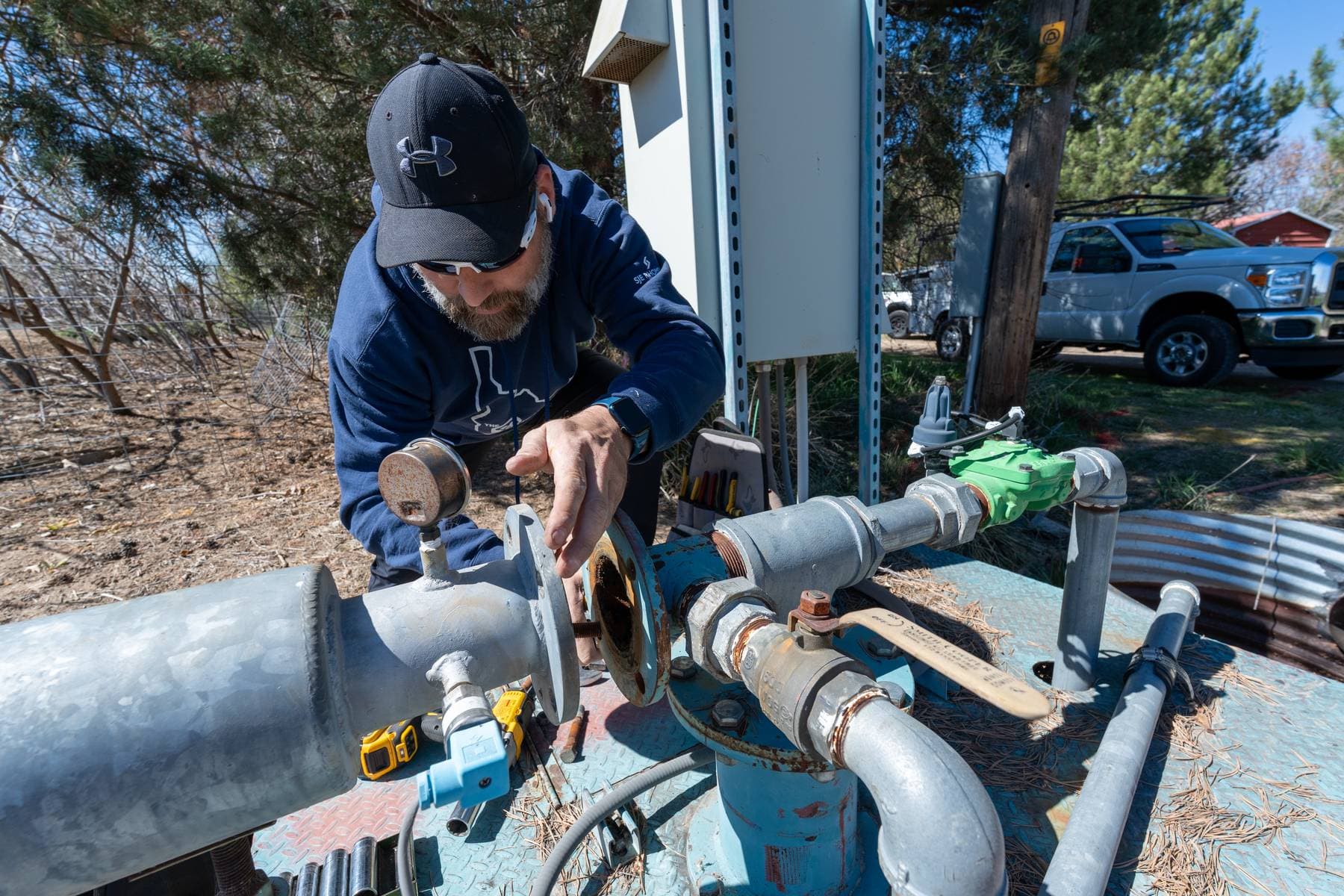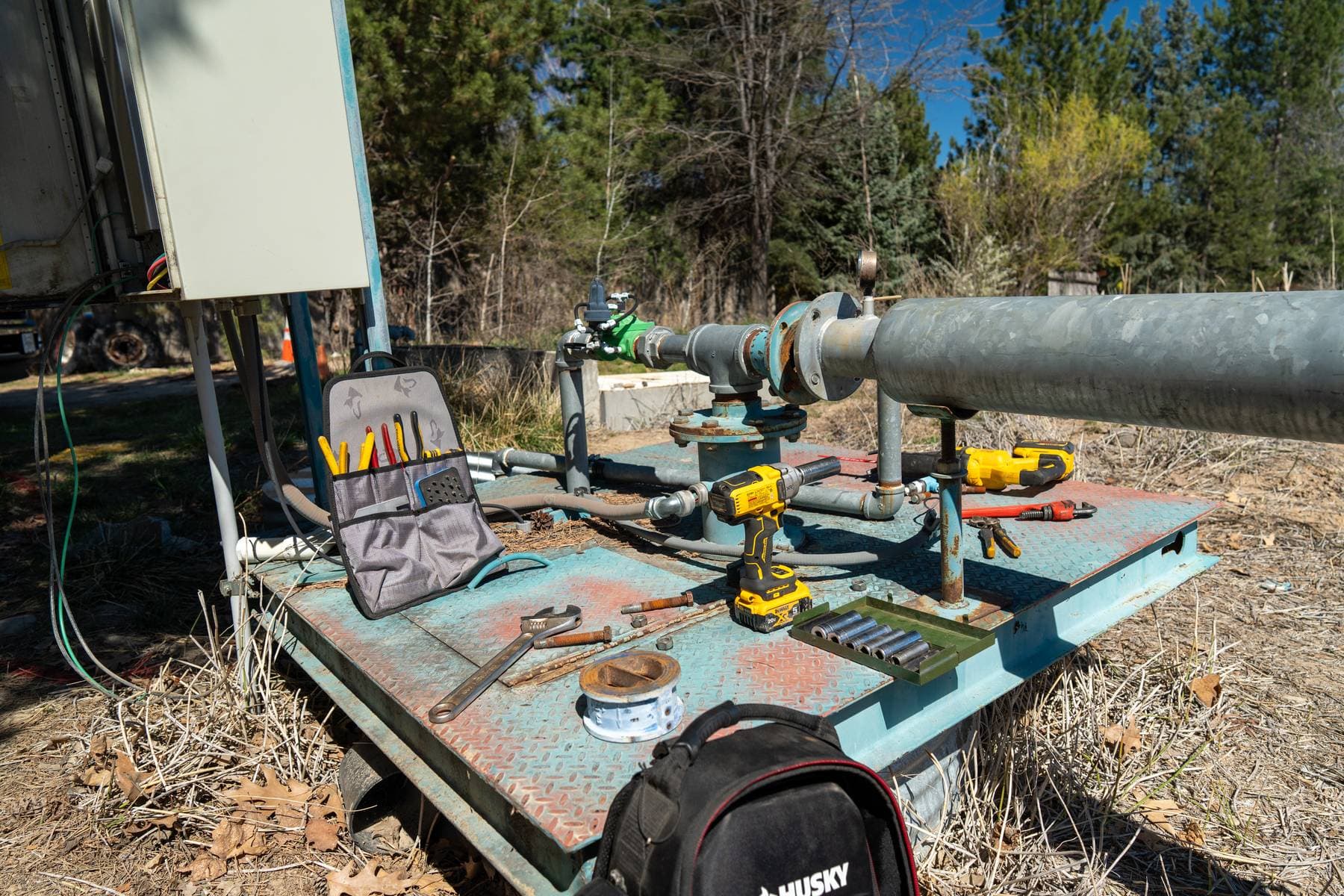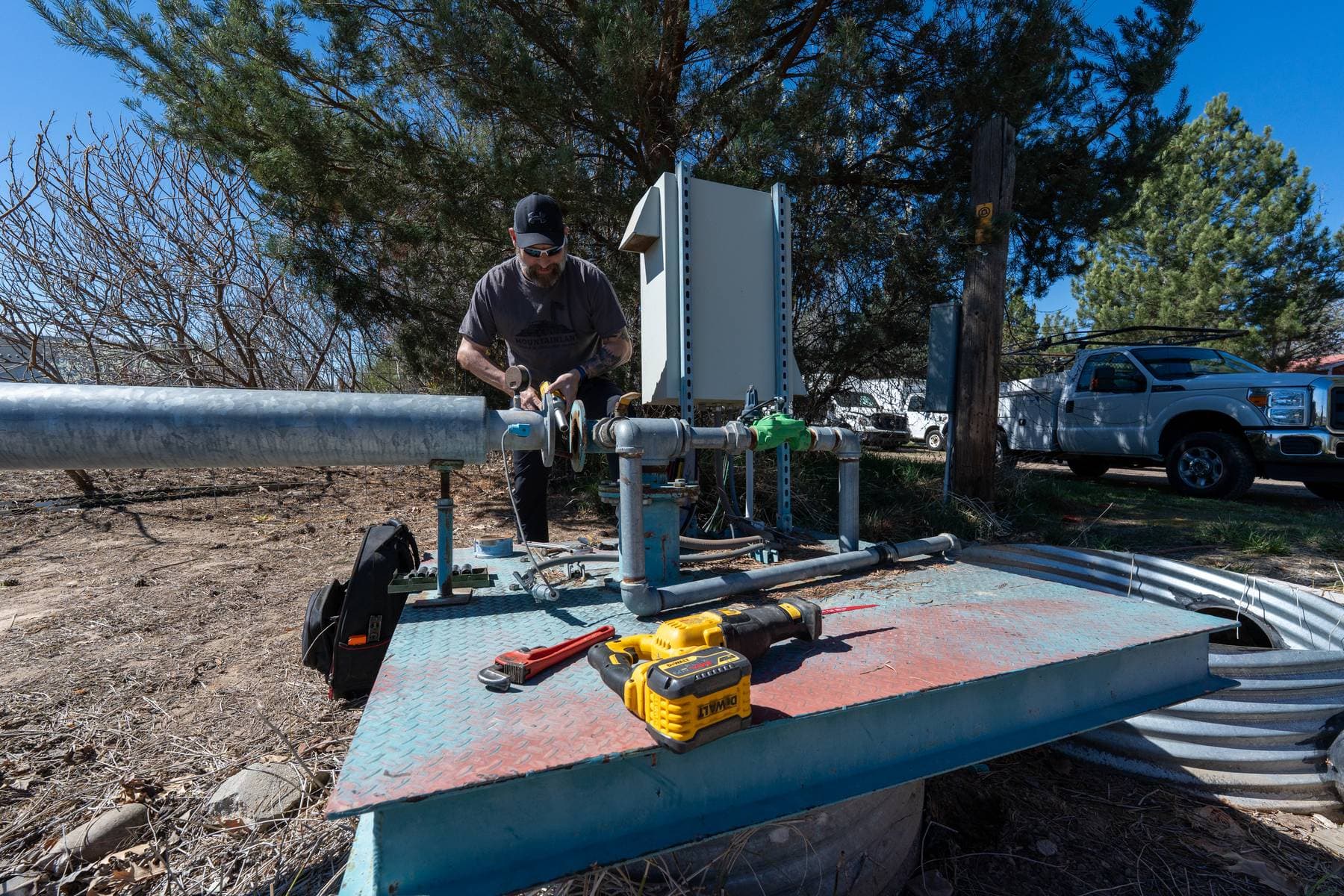

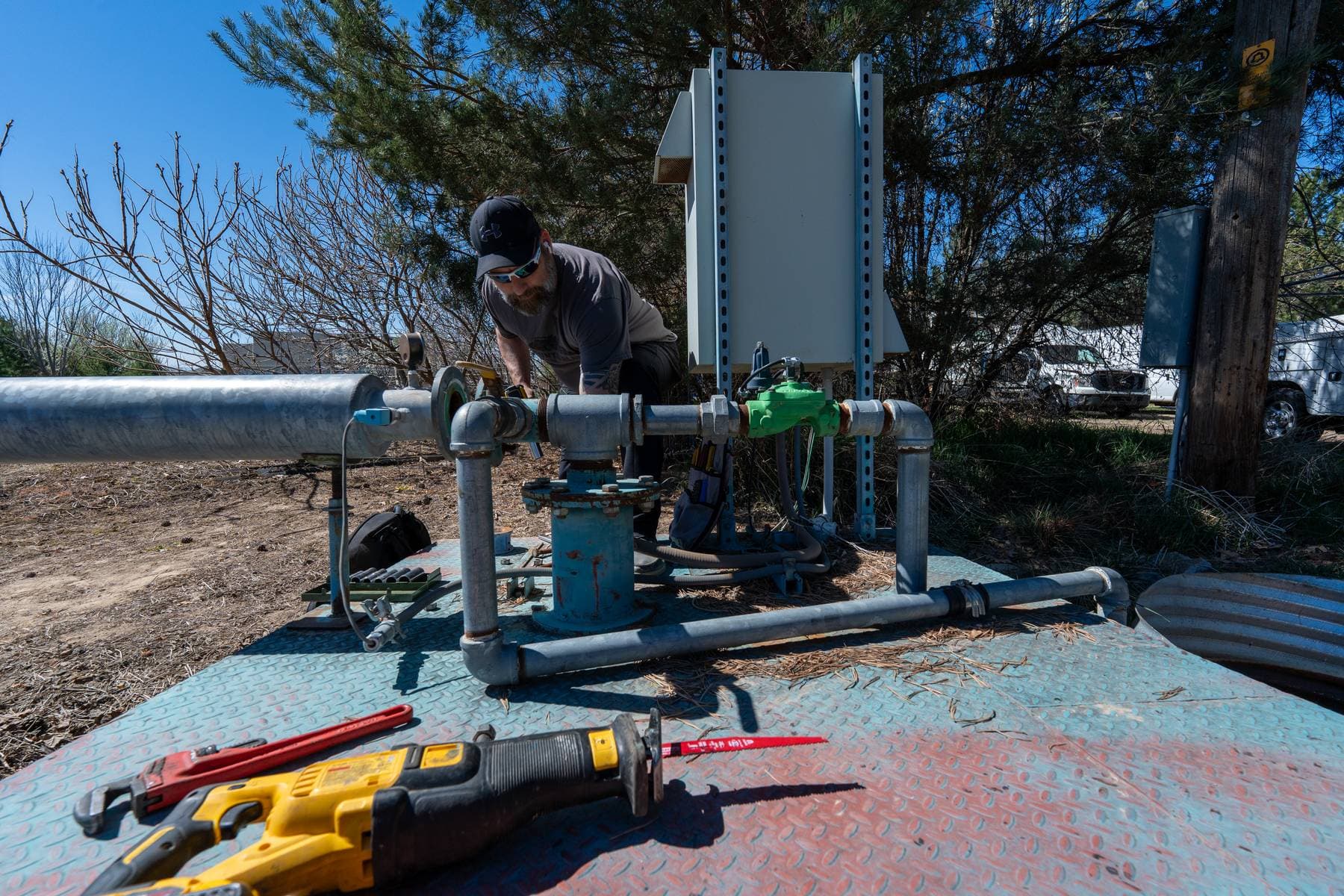
Nothing disrupts daily life quite like turning on the tap and getting nothing. For Treasure Valley homeowners relying on private well systems, a pump failure means immediate water loss — no backup municipal supply to fall back on. Whether you're in rural Caldwell, suburban Meridian, or anywhere across the valley, understanding how to respond quickly can minimize disruption and prevent costly damage.
Well pump emergencies don't follow convenient schedules. They happen at 6 AM when you're starting coffee, or late Sunday evening when repair shops are closed. The key is knowing your immediate steps and having a reliable emergency repair contact ready before you need it.
Recognizing Well Pump Emergency Signs
Well pump failures rarely happen without warning, but the signs aren't always obvious until it's too late. Understanding these symptoms helps you catch problems early or respond appropriately when complete failure strikes.
Complete Water Loss The most obvious emergency: no water from any fixture in your home. This typically indicates total pump failure, electrical issues, or severe blockages. Don't assume it's temporary — immediate action prevents potential damage to your system.
Severely Reduced Water Pressure When your normally strong well suddenly delivers a trickle, your pump is struggling. This often precedes complete failure by hours or days. In emergency situations, even minimal flow can indicate imminent total loss.
Air Sputtering from Faucets Water mixed with air bursts suggests your pump is losing its prime or drawing air into the system. This creates inefficient operation and can damage pump components if not addressed quickly.
Unusual Electrical Behavior Circuit breakers tripping repeatedly, or the pump cycling on and off rapidly, indicate electrical problems that can escalate into complete system failure or safety hazards.
Immediate Steps During a Well Pump Emergency
When your pump fails, taking the right immediate actions protects your system and helps emergency repair technicians diagnose problems faster.
Step 1: Check Your Electrical Panel
Before assuming pump failure, verify your circuit breaker hasn't tripped. Well pumps draw significant power, and electrical issues cause many apparent "pump failures." If the breaker has tripped, don't immediately reset it — this could indicate a serious electrical problem requiring professional attention.
Step 2: Locate Your Pressure Tank
Your pressure tank maintains water pressure throughout your home. Check the pressure gauge if visible — readings below 20 PSI typically indicate pump problems, while no reading suggests complete failure.
Step 3: Document What You Observe
Emergency repair technicians need specific information to respond effectively:
- When did the problem start?
- What symptoms are you experiencing?
- Any unusual sounds before failure?
- Recent weather events or power outages?
- Age and type of your current pump system?
Step 4: Preserve Remaining Water
Your pressure tank contains some reserve water even after pump failure. Use this conservatively for essential needs while arranging emergency repair.
Step 5: Contact Emergency Repair Services
Don't wait for regular business hours. Established pump service companies offer emergency response because they understand how critical water access is for families and businesses.
What Causes Emergency Well Pump Failures?
Understanding common failure modes helps you communicate effectively with repair technicians and potentially prevent future emergencies.
Electrical Component Failure Submersible pump motors operate in challenging conditions hundreds of feet underground. Motor windings, control boxes, and wiring connections can fail suddenly, especially during power surges or extreme weather.
Mechanical Wear and Breakdown Pump impellers, bearings, and seals experience constant wear. In Idaho's mineral-rich groundwater, sediment and hard water accelerate component degradation, leading to sudden mechanical failures.
Well Issues Beyond the Pump Your pump depends on adequate water supply and proper well construction. Dropping water tables during dry periods, well casing problems, or blockages can cause apparent pump failures that require different solutions.
Age and Maintenance History Well pumps typically last 10-15 years with proper maintenance. Systems approaching this age range, or those without regular service, face higher emergency failure risk.
Professional Emergency Response: What to Expect
Emergency well pump repair follows a different workflow than routine service calls. Understanding the process helps you prepare and make informed decisions under pressure.
Initial Assessment and Diagnosis
Experienced technicians start with systematic electrical testing before assuming pump replacement is necessary. Many apparent pump failures stem from control box problems, wiring issues, or pressure switch malfunctions — repairs that can restore water service within hours rather than days.
Electrical System Testing Technicians test power delivery, control circuits, and motor resistance to isolate electrical problems. This diagnostic approach often reveals repairable issues rather than complete pump failure.
Well and Water System Evaluation Emergency calls require assessing your entire water system, not just the pump. Well depth, water levels, and system capacity all influence repair approaches and component selection.
Repair vs. Replacement Decisions
Emergency situations demand quick decisions, but experienced contractors help you balance immediate water restoration with long-term system reliability.
When Emergency Repair Makes Sense Electrical problems, control system failures, and minor mechanical issues often allow immediate repairs that restore service quickly. These solutions work well for newer systems or when pump components remain in good condition.
When Replacement is Necessary Complete motor failure, severely worn pump components, or systems near end-of-life typically require pump replacement. While this takes longer, it prevents repeated failures and provides reliable long-term service.
Geographic Considerations in Treasure Valley Emergency Service
Idaho's diverse geography creates unique challenges for emergency well pump repair, influencing both response times and technical approaches.
Rural vs. Suburban Service Access Properties in rural Canyon County or remote areas of Ada County may experience longer emergency response times due to travel distances and equipment logistics. However, rural properties often have more space for service equipment and fewer permitting complications.
Seasonal Weather Impacts Idaho winters create additional emergency repair challenges. Frozen wellheads, difficult equipment access, and harsh working conditions can extend repair timelines. Summer irrigation demands sometimes stress electrical systems, contributing to emergency failures during peak usage periods.
Local Water Table Variations Treasure Valley water tables vary significantly by location and season. Emergency repairs must account for local hydrogeology, especially when selecting replacement pump capacity and installation depth.
Preventing Future Emergency Situations
While some pump failures happen without warning, proactive maintenance significantly reduces emergency risk and extends system life.
Annual System Inspections Professional annual inspections catch developing problems before they become emergencies. Electrical connections, control systems, and pressure tanks all benefit from regular professional attention.
Water Quality Management Idaho's hard water and mineral content stress pump components. Water treatment systems reduce wear and extend pump life, preventing premature failures.
Electrical System Maintenance Surge protectors, proper grounding, and electrical connection maintenance prevent many emergency failures. These relatively inexpensive measures provide significant protection for expensive pump systems.
Choosing Emergency Repair Services
Not all pump service companies offer genuine emergency response. When your family needs water restored quickly, selecting the right contractor makes the difference between same-day service and days without water.
Look for companies with dedicated emergency response capabilities, not just answering services. Established local contractors understand Treasure Valley conditions and maintain parts inventory for common emergency repairs.
Experience with your specific pump type matters during emergencies. Companies serving diverse residential, agricultural, and commercial customers typically have broader expertise and parts availability for urgent repairs.
Conclusion
Well pump emergencies test your preparation and decision-making under pressure. By understanding the warning signs, knowing your immediate response steps, and having reliable emergency repair contacts ready, you can minimize disruption and restore your water service quickly.
Remember that emergency repairs, while necessary, work best as part of a broader maintenance strategy. Regular professional service, attention to warning signs, and proactive system care reduce emergency risk and keep your family's water flowing reliably year-round.
When emergency strikes, don't hesitate to call for professional help. Experienced well pump technicians understand the urgency of water loss and respond accordingly. Your goal is safe, reliable water restoration — and that requires professional expertise and proper equipment.
For Treasure Valley homeowners, Allegiant Pump Solutions provides emergency well pump repair with the local knowledge and technical expertise your situation demands. We understand that water emergencies can't wait, and we're equipped to respond when your family needs water service restored fast.