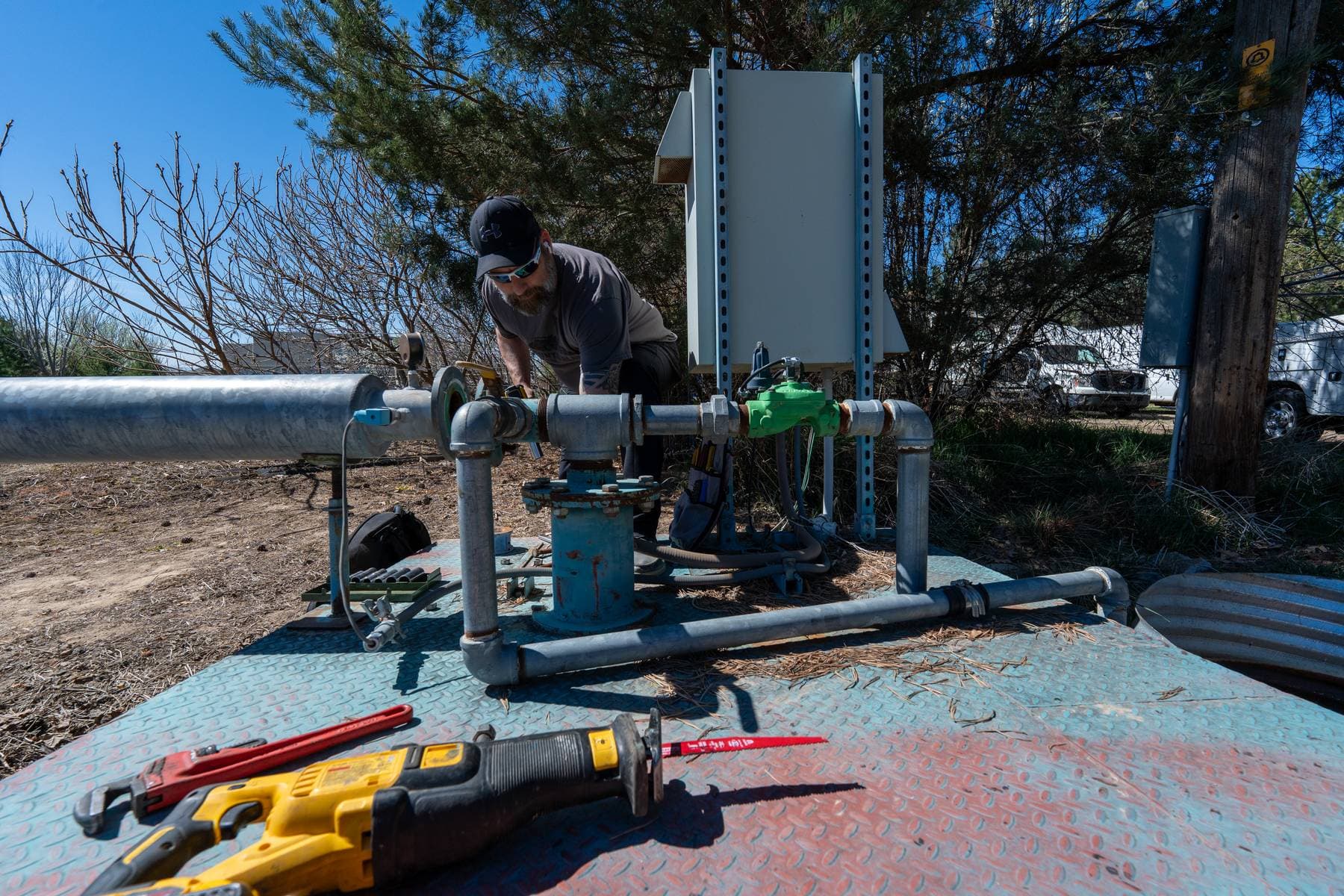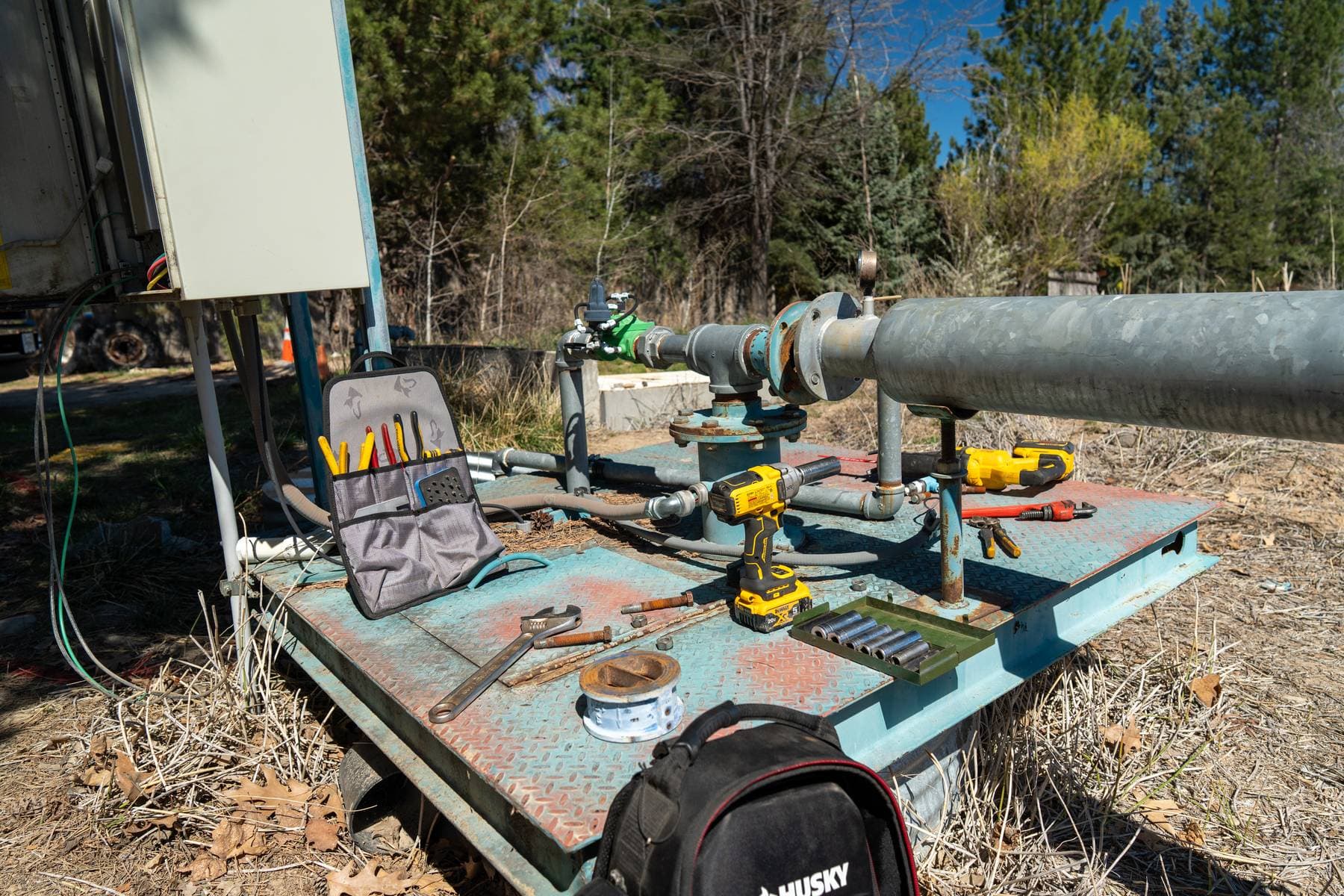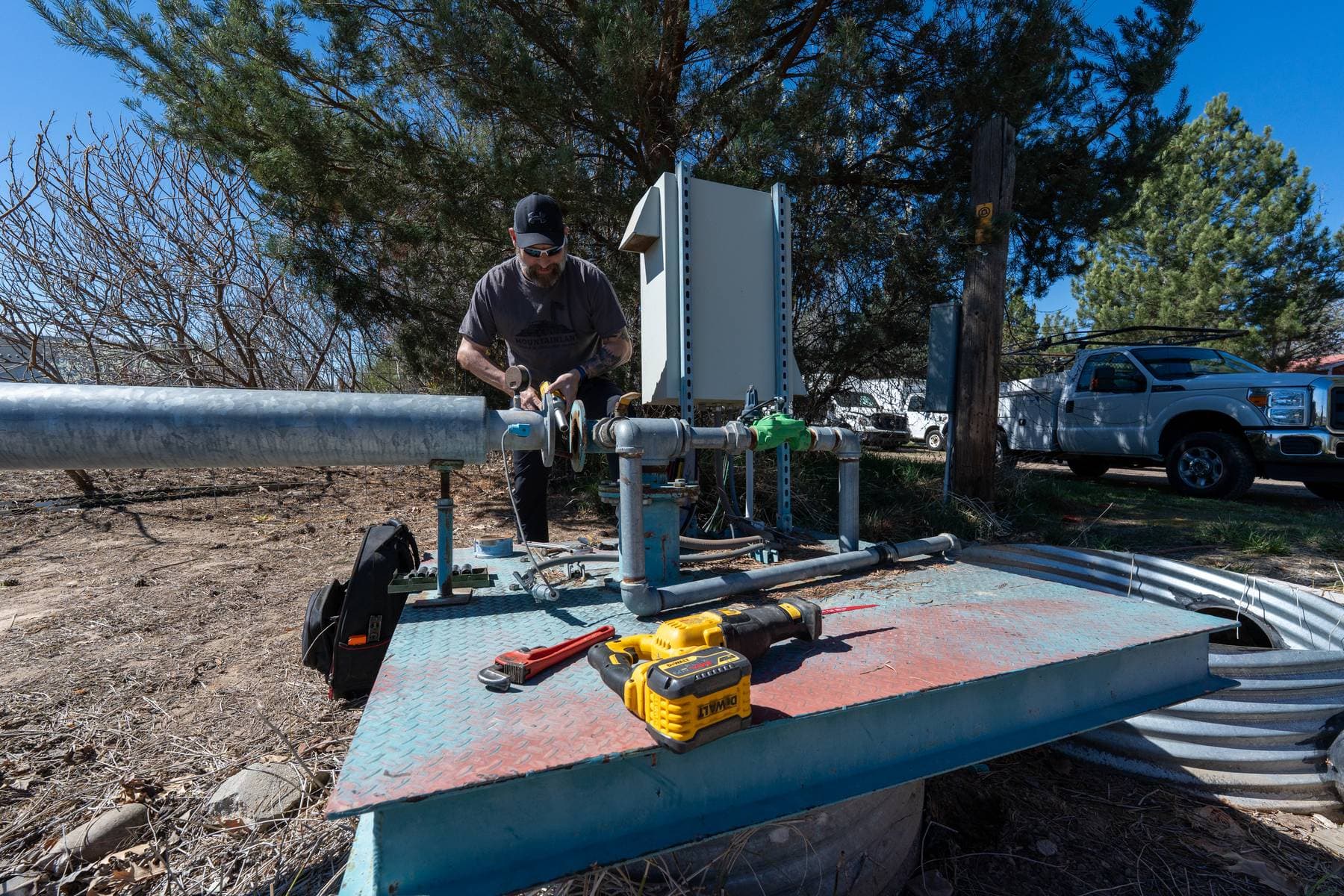

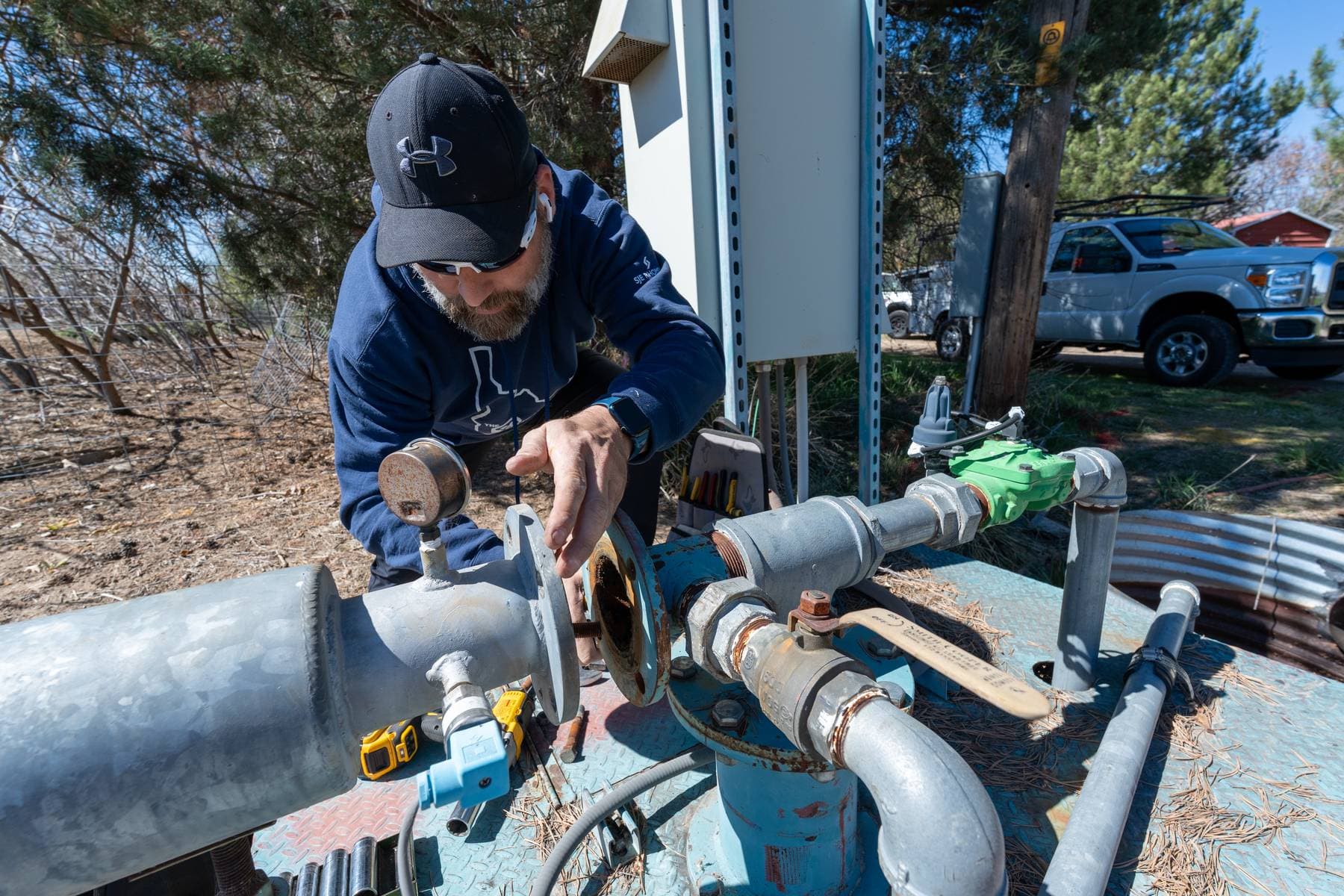
When temperatures drop below freezing across the Treasure Valley and beyond, your well pump system faces serious challenges. Without proper winterization, Idaho homeowners risk frozen pipes, damaged pumps, and emergency service calls that could cost thousands of dollars. The good news? Most winter-related pump failures are completely preventable with the right preparation.
At Allegiant Pump Solutions, we've seen firsthand how proper winterization saves our Boise, Meridian, and rural Idaho customers from costly headaches. With nearly 40% of pump service calls being emergency situations, taking preventive action now makes both practical and financial sense.
Understanding Idaho's Winter Threats to Well Pump Systems
Idaho's climate presents unique challenges for well pump systems. From the Snake River Plain to the foothills around Nampa and Caldwell, winter temperatures regularly drop well below freezing, sometimes staying there for weeks.
Your well pump system has several vulnerable points:
- Above-ground components: Pressure tanks, control boxes, and exposed piping
- Wellhead connections: Where your system transitions from underground to surface
- Pump house structures: Outbuildings that house equipment
- Pressure switches and electrical components: Sensitive to both cold and moisture
The key difference between rural and suburban properties often comes down to infrastructure access and system complexity. Rural properties may have longer runs of exposed piping and less protection from wind, while suburban systems might have more intricate connections and tighter spaces that complicate winterization efforts.
Insulating Your Pressure Tank and Above-Ground Components
Your pressure tank is the heart of your well system's winter vulnerability. This component stores pressurized water and cycles frequently, making it susceptible to freeze damage when temperatures plummet.
Pressure Tank Protection
Start by examining your pressure tank's location. If it's in an unheated basement, garage, or pump house, you'll need to create a thermal barrier. Wrap the tank with insulation blankets specifically designed for water systems – avoid generic insulation that might trap moisture against the metal surface.
For tanks in pump houses, consider installing a small space heater with a thermostat set to maintain temperatures above 40°F. This approach works particularly well in areas around Eagle and Star, where properties often have dedicated outbuildings for well equipment.
Protecting Exposed Piping
Exposed pipes between your wellhead and home represent another critical vulnerability. Use foam pipe insulation for straight runs and wrap fittings with heat tape where necessary. Pay special attention to:
- Pipe sections exposed to wind
- Areas where piping emerges from the ground
- Connections near the pressure tank
- Any piping in crawl spaces or unheated areas
Wellhead Winterization Techniques
The wellhead – where your submersible pump's wiring and piping emerge from the ground – needs specific attention. This transition point often experiences temperature fluctuations that can cause expansion and contraction problems.
Sealing and Insulating the Wellhead
Ensure your well cap fits securely and shows no signs of damage. A loose or cracked well cap allows cold air to reach your equipment and creates opportunities for contamination. Replace damaged caps before winter sets in.
Create an insulation barrier around the wellhead using weatherproof materials. Many Idaho homeowners use rigid foam insulation boards arranged in a box around the wellhead area, leaving access for maintenance while blocking wind and cold.
Electrical Component Protection
Your well pump's control box and pressure switch need protection from both cold temperatures and moisture. If these components are located outside or in unheated spaces, consider relocating them to a more protected area. When relocation isn't practical, use weatherproof enclosures and ensure all connections remain dry and secure.
Heat Tape and Electrical Considerations
Heat tape provides active freeze protection for your most vulnerable components, but it requires careful installation and regular maintenance.
Choosing the Right Heat Tape
Self-regulating heat tape adjusts its output based on temperature, making it more efficient and safer than constant-wattage alternatives. Apply heat tape to:
- Exposed piping runs longer than 10 feet
- Areas where pipes enter buildings
- Pressure relief valves and fittings
- Any piping that can't be adequately insulated
Installation Best Practices
Never overlap heat tape on itself, as this can create hot spots and fire hazards. Follow manufacturer spacing requirements and secure the tape with appropriate fasteners – not duct tape, which degrades in cold weather.
Test all heat tape connections before the first freeze. A simple plug-in timer can help manage energy costs by running heat tape only during the coldest parts of the day, typically between midnight and 8 AM.
Pump House and Enclosure Winterization
Many rural Idaho properties house well equipment in separate structures that need their own winterization strategy.
Sealing Air Leaks
Walk around your pump house and identify air leaks around doors, windows, and utility penetrations. Use weatherstripping, caulk, or expanding foam to seal these gaps. Even small openings can allow enough cold air inside to freeze your equipment.
Ventilation Balance
While sealing air leaks is important, your pump house still needs some ventilation to prevent moisture buildup and ensure safe operation. Install small vents high and low on opposite walls, but make sure they can be closed during extreme cold snaps.
Backup Heating Options
For pump houses in areas that regularly see temperatures below 10°F, consider installing backup heating. A small electric heater with a built-in thermostat provides insurance against equipment damage. Size the heater appropriately – most pump houses need only 1,500 watts or less to maintain safe temperatures.
Creating an Emergency Action Plan
Even with proper winterization, unexpected problems can occur. Having a plan helps minimize damage and restore service quickly.
Know Your System
Document your well pump system's key information:
- Pump depth and horsepower
- Pressure tank capacity
- Main shutoff valve location
- Electrical panel breaker location
- Contact information for your pump service provider
Emergency Supplies
Keep basic supplies on hand:
- Pipe insulation for quick repairs
- Electrical tape and wire nuts
- Portable space heater
- Flashlight and batteries
- Phone number for emergency pump service
Water Storage
Consider storing emergency water supplies, especially if your property relies entirely on well water. Even a few gallons can provide essential needs during short-term outages.
Maintenance Tasks Before Winter Hits
Preventive maintenance now saves emergency calls later. Schedule these tasks for early fall, before temperatures start dropping consistently below freezing.
System Testing
Run your pump through several cycles to ensure it's operating smoothly. Listen for unusual noises, check for leaks around fittings, and verify that your pressure switch engages at proper levels.
Professional Inspection
Consider having your system professionally inspected, especially if it's more than 10 years old or if you've noticed any performance changes. Professional technicians can identify potential problems before they become winter emergencies.
Many pump service companies in the Treasure Valley offer fall maintenance packages that include system testing, minor adjustments, and winterization verification.
When to Call Professional Help
Some winterization tasks are best left to professionals, particularly those involving electrical work or system modifications.
Complex Electrical Work
If your winterization plan requires rewiring, relocating electrical components, or installing new heating systems, contact a qualified technician. Improper electrical work can create safety hazards and void equipment warranties.
System Upgrades
Properties with repeatedly problematic pump systems might benefit from upgrades like:
- Relocating pressure tanks to heated spaces
- Installing variable frequency drives for better cold-weather operation
- Upgrading to more efficient pumps that handle temperature variations better
Conclusion
Winterizing your well pump system doesn't require extensive technical knowledge, but it does demand attention to detail and proactive planning. Idaho homeowners who take these steps seriously avoid the stress and expense of emergency repairs during the coldest months.
Start your winterization process early, while temperatures are still moderate and you can work comfortably. Focus on the basics – insulation, heat tape, and weatherproofing – and don't hesitate to call for professional help when needed.
Remember, the cost of proper winterization is always less than the cost of emergency repairs and the inconvenience of losing water service during an Idaho winter. Take action now, and you'll have reliable water access all season long.