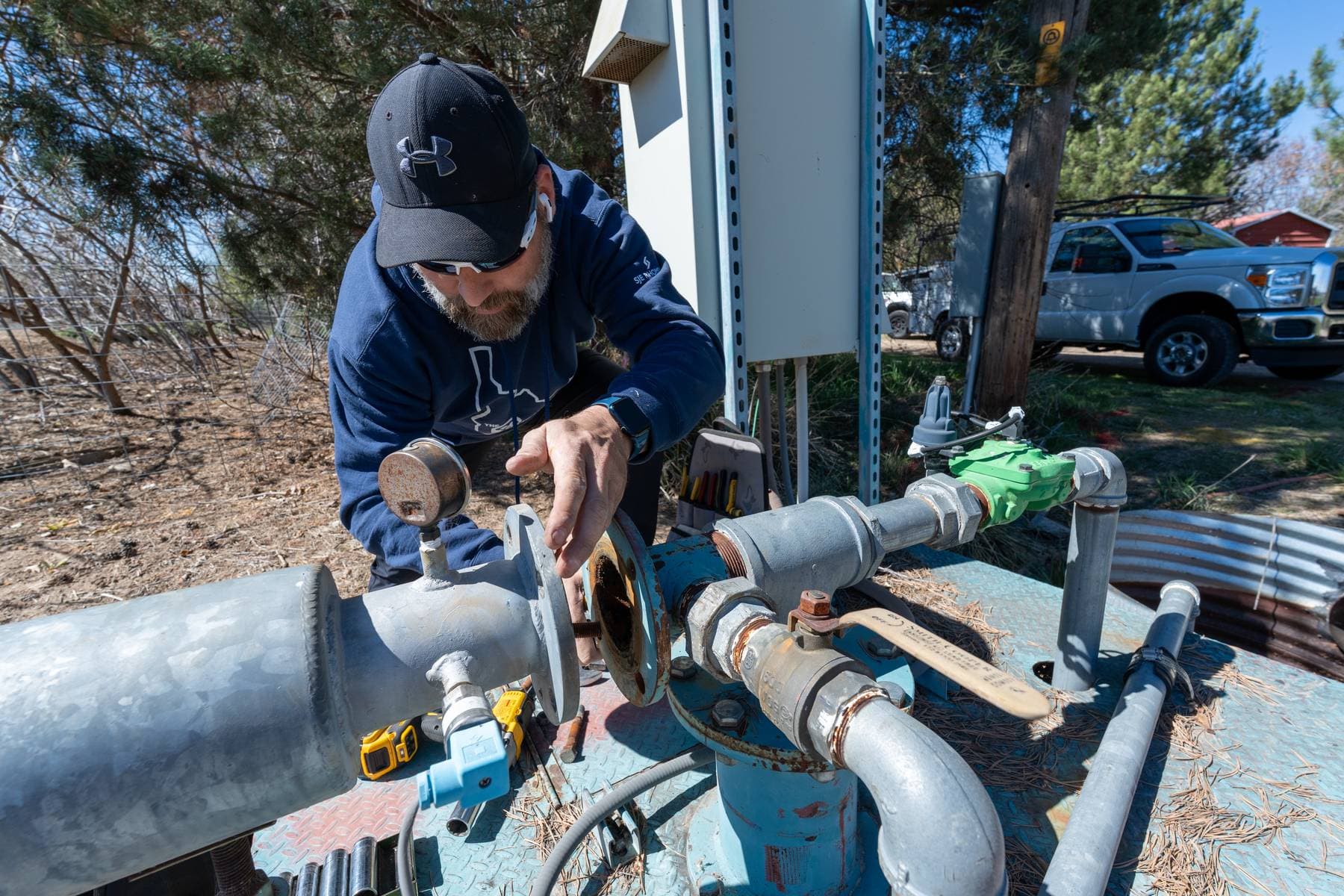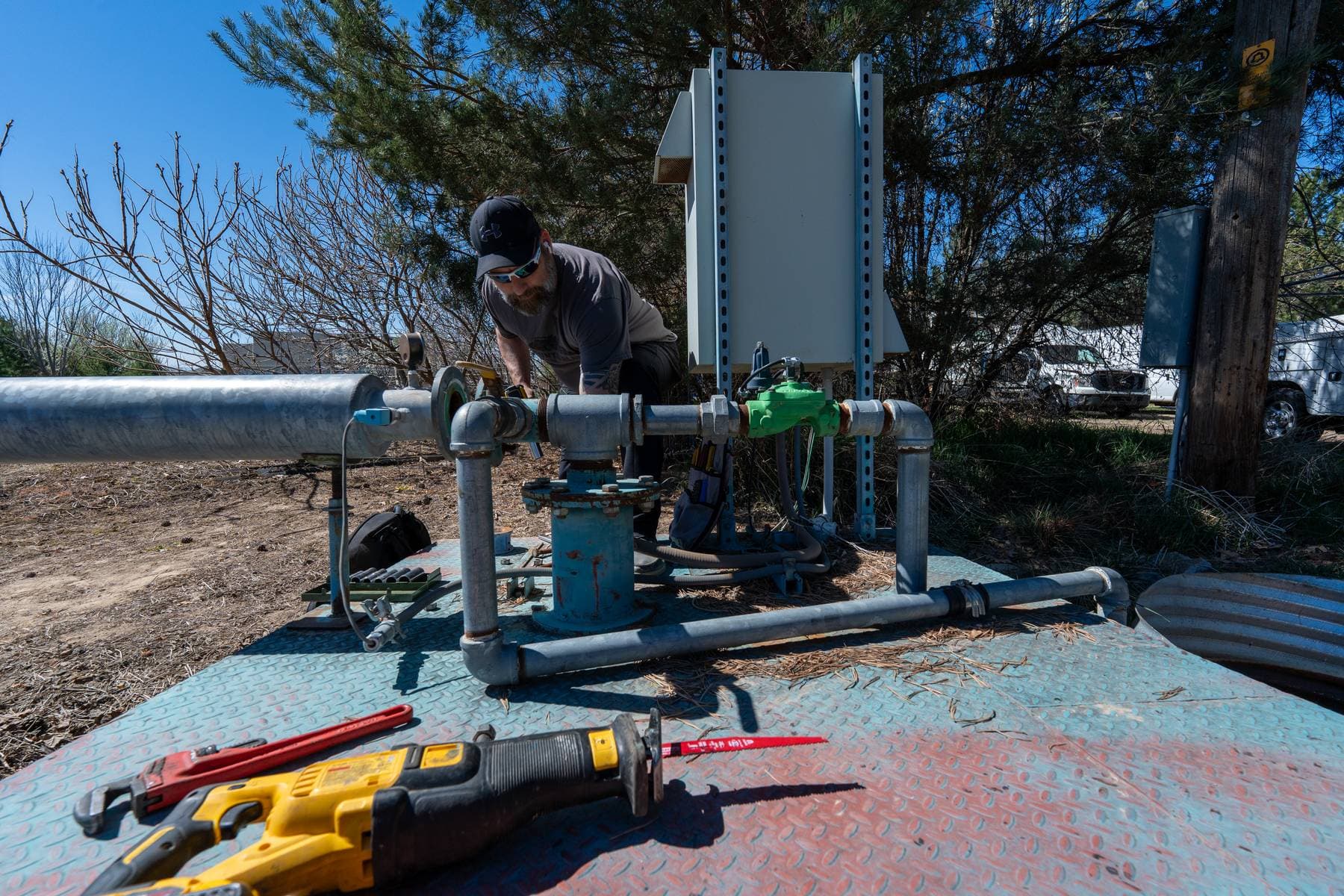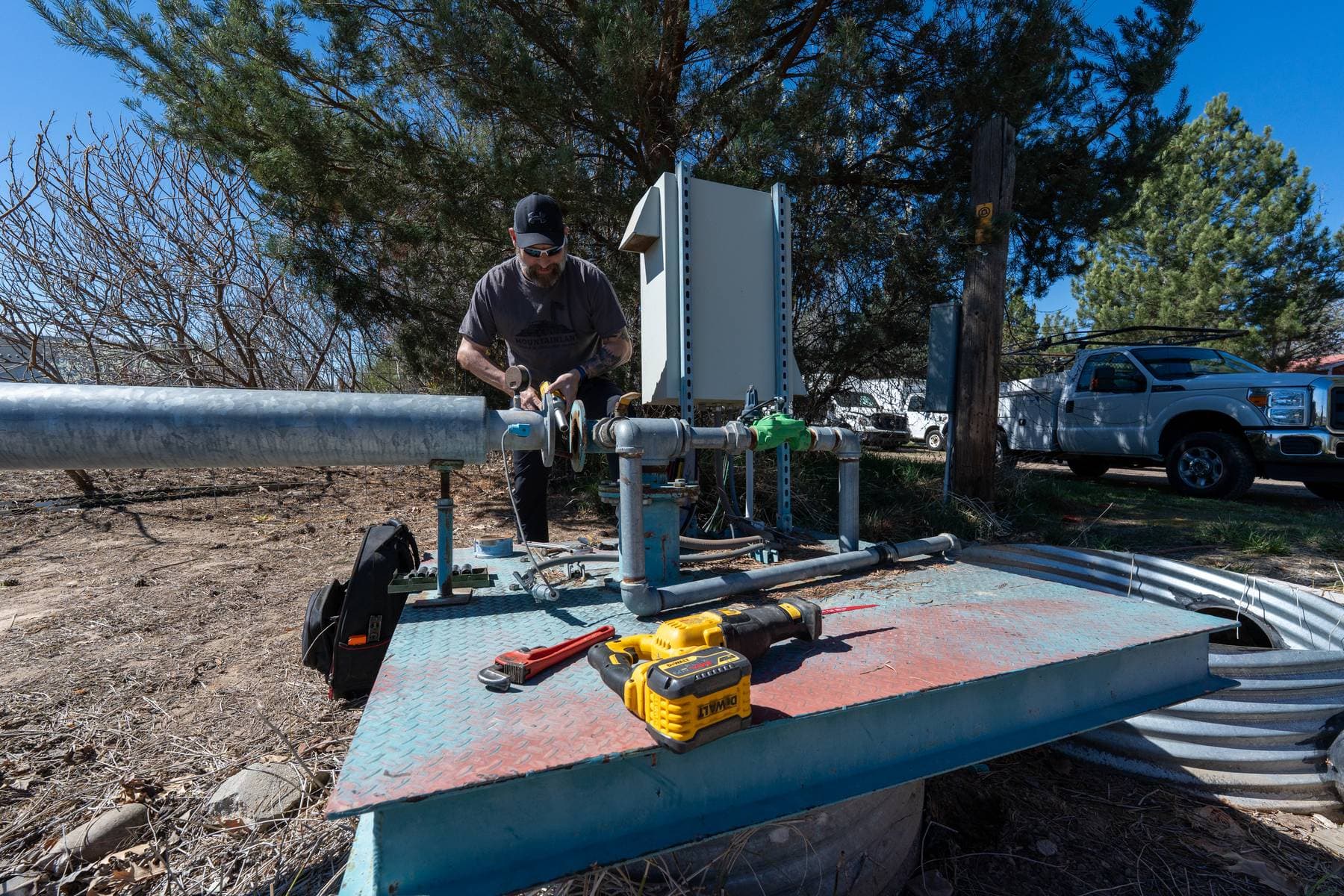

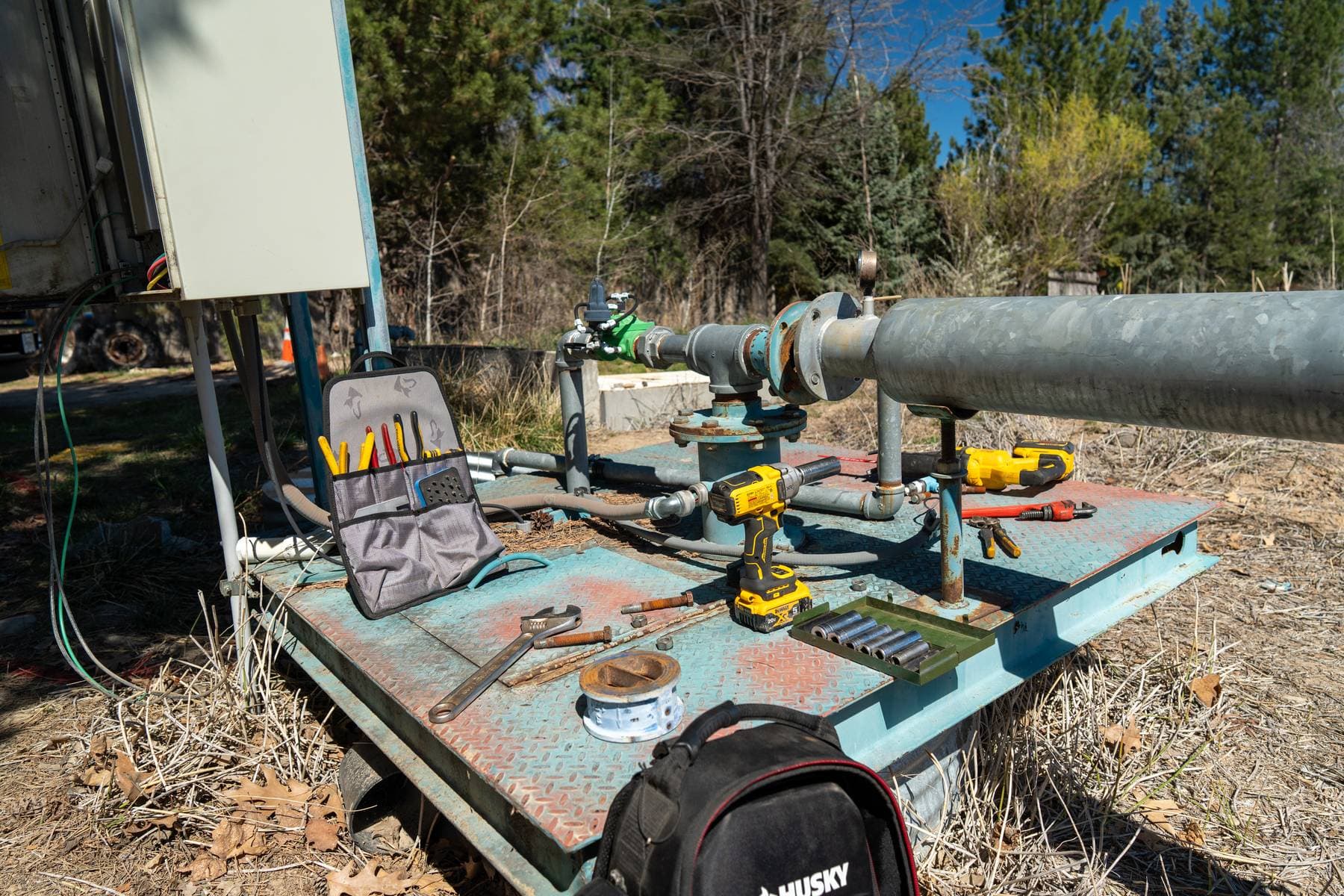
Every Idaho homeowner with a private well faces the same inevitable question: when your pump starts acting up, do you repair it or replace it? With aging water infrastructure becoming a nationwide concern and pump systems lasting 8-15 years on average, this decision hits closer to home than many realize.
The answer isn't always straightforward, especially in our diverse landscape from Treasure Valley suburbs to remote ranch properties. But understanding the real costs—both upfront and long-term—can save you thousands and prevent those middle-of-the-night water emergencies that nobody wants to deal with.
Understanding Well Pump Replacement Costs in Idaho
Well pump replacement costs in Idaho typically range from $1,200 to $4,500 for most residential installations, though several factors can push that number higher or lower. Unlike a simple repair call, replacement involves multiple components and considerations specific to your property.
Submersible Pump Systems
Most Idaho homes use submersible pumps, especially in areas like Meridian, Eagle, and Star where wells run 100-300 feet deep. A complete submersible pump replacement includes:
- Pump unit: $400-$1,200 depending on horsepower and quality
- Motor replacement: $300-$800 if needed
- Drop pipe and wiring: $200-$600 for typical depths
- Installation labor: $600-$1,500
- Electrical work: $200-$500 if panel upgrades are needed
Deeper wells common in rural Canyon County or Adams County can add $500-$1,000 to these base costs due to additional materials and labor complexity.
Jet Pump Replacements
Shallow wells under 25 feet often use above-ground jet pumps, more common in older Treasure Valley neighborhoods. These replacements typically cost:
- Pump unit: $300-$800
- Pressure tank: $150-$400 if replacement is needed
- Installation: $400-$800
- Plumbing modifications: $100-$300
Jet pumps offer lower upfront replacement costs but may not suit every situation, particularly if your water needs have grown since the original installation.
Agricultural and High-Capacity Systems
Farm operations and larger rural properties often require turbine pumps or high-capacity submersibles. These specialized systems can range from $3,000 to $15,000 for replacement, reflecting their critical role in irrigation and livestock operations where downtime means immediate financial impact.
When Replacement Makes More Financial Sense Than Repair
The "50% rule" provides a solid starting point: if repair costs exceed half the price of replacement, consider going with new equipment. But Idaho's unique conditions add several factors to this calculation.
Age and Efficiency Considerations
Pumps over 10 years old often benefit from replacement rather than major repairs. Modern pumps offer improved energy efficiency that can offset replacement costs through lower electricity bills—significant in rural areas where pumps run frequently for irrigation or livestock.
A 15-year-old pump consuming 20% more electricity than current models costs an extra $200-$400 annually in many Idaho locations. Over five years, that efficiency gain alone can justify replacement costs.
Repeated Repair Cycles
If you've called for pump service twice in 18 months, replacement usually makes better financial sense. Emergency repair calls in remote areas can cost $400-$800 each time, and multiple failures often indicate systemic problems that repairs won't permanently solve.
Aging infrastructure trends show that pumps entering their final years typically experience cascading failures—first the motor, then controls, then mechanical components. Addressing these individually costs more than comprehensive replacement.
Water Quality and System Compatibility
Idaho's varied water conditions, from high mineral content in some areas to seasonal fluctuations, can accelerate pump wear. If water quality has changed since your original installation, replacement allows for better-matched equipment that handles current conditions more effectively.
Geographic Factors Affecting Idaho Replacement Costs
Treasure Valley vs. Rural Areas
Treasure Valley homeowners typically see faster service response and more competitive pricing due to contractor density. Rural properties in Valley, Gem, or Washington counties may face additional costs:
- Travel charges: $100-$200 for remote locations
- Equipment transport: Specialized equipment for deep wells
- Extended installation time: Limited infrastructure access can double labor hours
Permitting and Code Requirements
Idaho's county-by-county approach to well regulations affects replacement costs. Some areas require electrical permits for pump installations, adding $100-$300 to project costs but ensuring code compliance that protects your investment.
Hidden Costs That Affect Your Budget
Electrical System Upgrades
Modern pumps often require updated electrical panels or wiring, particularly in older homes. Budget an additional $300-$1,200 if your electrical system needs upgrades to handle new pump requirements safely.
Well Inspection and Testing
Replacement provides an opportunity to assess your well's condition. Professional well inspection costs $200-$400 but can identify issues that affect pump selection and longevity. Discovering problems during replacement costs less than emergency repairs later.
Water System Integration
New pumps may require pressure tank replacement, control system updates, or plumbing modifications. These complementary upgrades add $300-$800 to replacement costs but improve overall system reliability.
Making the Right Decision for Your Property
Calculate Total Cost of Ownership
Compare repair costs plus expected future repairs against replacement costs plus energy savings. Factor in:
- Reliability value: What's water system downtime worth to your household or operation?
- Energy efficiency: Modern pumps typically use 15-25% less electricity
- Warranty coverage: New equipment includes comprehensive warranties
- Peace of mind: Elimination of recurring repair calls and emergency service needs
Consider Your Timeline
Emergency replacements cost 20-30% more than planned installations. If your pump shows declining performance, scheduling replacement during contractor off-peak periods saves money and ensures better service availability.
Evaluate Your Water Needs
House additions, landscape changes, or new water features may exceed your current pump's capacity. Replacement allows right-sizing your system for current and future needs rather than pushing aging equipment beyond its design limits.
Working with Idaho Well Pump Professionals
Choosing the right contractor affects both immediate costs and long-term satisfaction. Look for:
- Local experience: Understanding of Idaho water conditions and regulations
- Comprehensive licensing: Proper credentials for pump and electrical work
- Transparent pricing: Detailed estimates that break down materials and labor
- Emergency availability: Rural properties especially need reliable service access
At Allegiant Pump Solutions, we've helped Treasure Valley and rural Idaho homeowners navigate these decisions for years. Our approach focuses on honest assessment of your current system and clear explanation of your options, so you can make informed decisions about your water infrastructure investment.
Conclusion
Well pump replacement in Idaho involves more than just equipment costs. When you factor in energy efficiency, reliability, and the true cost of repeated repairs, replacement often provides better long-term value than attempting to extend an aging system's life.
The key lies in honest assessment of your current situation and realistic projection of future needs. Whether you're dealing with a failing suburban system in Boise or managing agricultural water infrastructure in rural Idaho, understanding these cost factors helps you make decisions that protect both your water supply and your budget.
Don't wait for complete system failure to explore your options. Proactive replacement planning costs less and provides better outcomes than emergency solutions when your water stops flowing.